Upstream loss
Which services continue, which switch to a backup connection, how quickly they recover and what is affected.
Verification before publication
Field evidence starts with what the operation needs, what the environment does and what failure looks like. A result becomes a public claim only after its source, scope and wording can survive scrutiny.
The evidence ladder
Each step answers a different question. Skipping one creates a story that sounds cleaner than the system really is.
Record the operating context, observed symptoms and current dependencies before changing the system.
Make upstream, power, routing, wireless and workflow dependencies visible enough to test.
Verify under the density, movement, timing and business pressure the site actually creates.
State only what the measurements, period and acceptance conditions directly support.
Useful acceptance tests
A green configuration screen is evidence about configuration. The operation still needs tests that exercise the whole path.
Which services continue, which switch to a backup connection, how quickly they recover and what is affected.
Coverage, capacity and critical workflows under representative concurrency and movement.
Whether guest, staff, payment, production and surveillance traffic retain the intended separation.
Whether the people responsible can recognise a failure and take the documented next action.
Documentary field notes
Terrain, inherited infrastructure and physical access shape the architecture before a dashboard has anything useful to say. These frames document working conditions in Bohinj; they do not identify a client or claim a measured result.
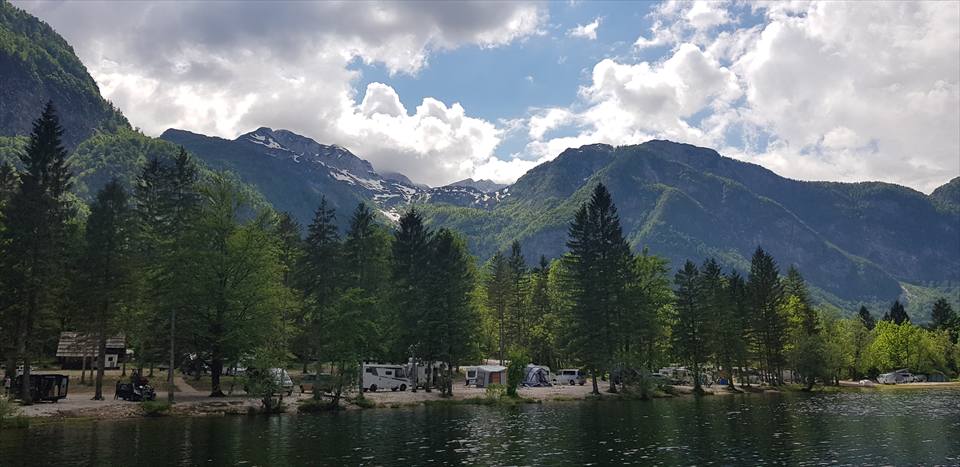
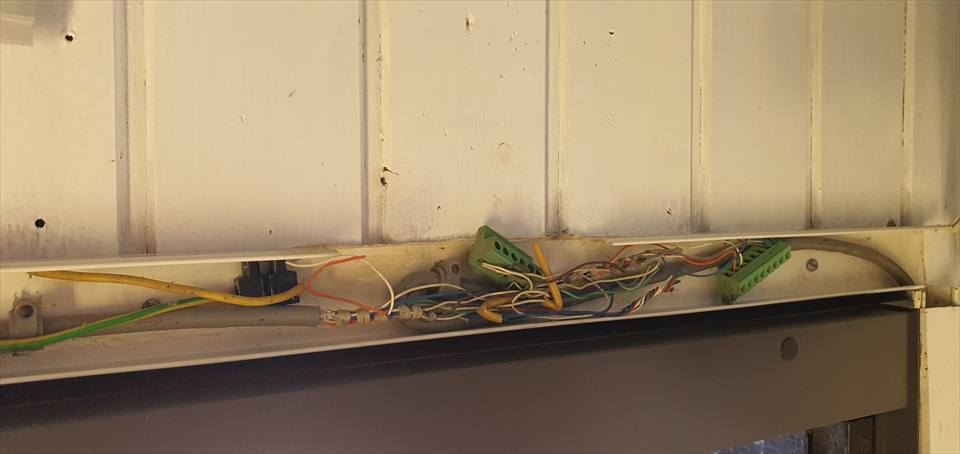
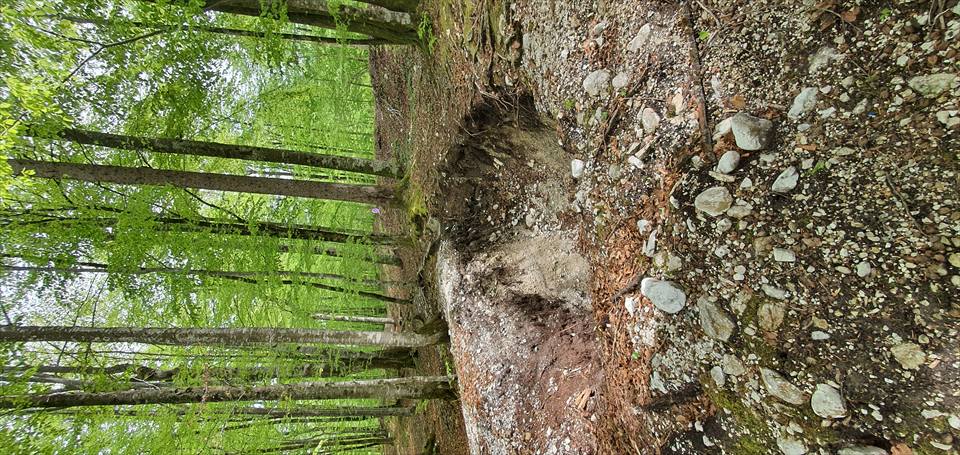
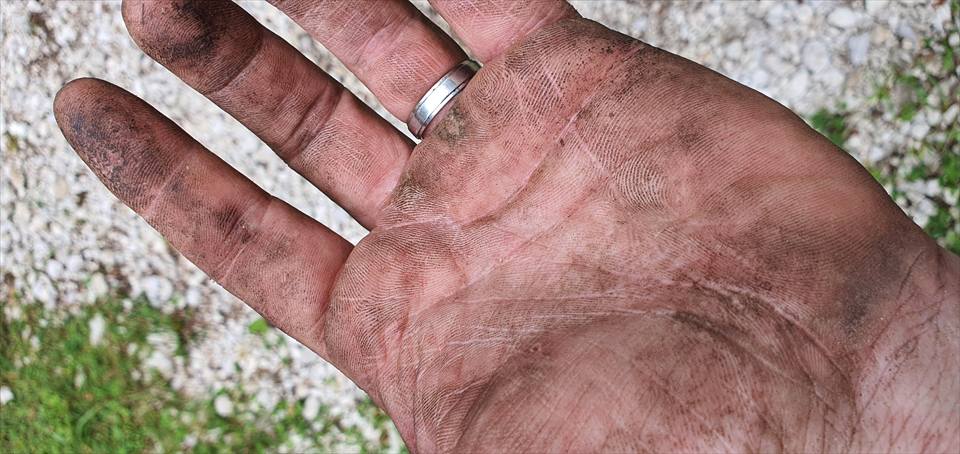
Documentary archive, 2018–2021 · web derivatives contain no location metadata · original files remain private.
Anonymised Bohinj field case
A multi-year project supports an outdoor hospitality operation where guest access and day-to-day systems share a demanding physical environment. The case is public at a qualitative level; the client name, topology and exact operational figures remain private.
Dated field material records operating context, inherited conditions, groundworks and hands-on installation as the site changed over time.
The current system combines terrestrial and Starlink connectivity, reducing dependence on one access technology without turning that intent into a zero-downtime promise.
Guest, restaurant, staff, surveillance and site-operation traffic are treated as different responsibilities, not one undifferentiated Wi-Fi network.
Recent private snapshots show hundreds of connections and multi-terabyte monthly traffic. Exact figures and original management screenshots remain private.
Publication boundary
Client identity, raw topology, exact measurements, security-relevant detail and commercial outcomes remain private until there is a clear right to publish them.
The anonymised case above describes only what the available evidence supports. The detailed working material remains private.