Izguba zunanje povezave
Katere storitve delujejo naprej, katere preklopijo na rezervno povezavo, kako hitro se obnovijo in kdo občuti prekinitev.
Preverjanje pred objavo
Terensko preverjanje se začne pri potrebah uporabnikov, razmerah na lokaciji in opaženih težavah. Rezultat lahko javno navedemo, ko ga podpirajo preverljiv vir, jasen obseg in natančno besedilo.
Koraki preverjanja
Vsak korak odgovori na drugo vprašanje. Če katerega preskočimo, lahko opis prikrije pomembne omejitve sistema.
Pred spremembo sistema zabeležiti okolje delovanja, opažene simptome in trenutne odvisnosti.
Zunanje povezave, napajanje, usmerjanje, brezžične in delovne odvisnosti prikazati dovolj jasno za preizkus.
Preveriti pri gostoti, gibanju, času in poslovnem pritisku, ki jih lokacija dejansko ustvarja.
Navesti le to, kar meritve, obdobje in pogoji sprejema neposredno podpirajo.
Uporabni sprejemni preizkusi
Zeleni kazalniki na nadzorni plošči še ne pokažejo, kako sistem deluje v praksi. Preizkusiti je treba celotno pot, od povezave do dejanskega delovnega procesa.
Katere storitve delujejo naprej, katere preklopijo na rezervno povezavo, kako hitro se obnovijo in kdo občuti prekinitev.
Pokritost, zmogljivost in ključni procesi pri značilnem številu sočasnih uporabnikov in njihovem gibanju.
Ali promet gostov, osebja, plačil, produkcije in videonadzora ohrani predvideno ločitev.
Ali odgovorni prepoznajo odpoved in izvedejo dokumentiran naslednji korak.
Dokumentarni terenski zapiski
Teren, podedovana infrastruktura in fizični dostop oblikujejo arhitekturo, preden lahko nadzorna plošča pove kaj uporabnega. Ti posnetki dokumentirajo delovne razmere v Bohinju; ne razkrivajo naročnika in ne dokazujejo izmerjenega rezultata.
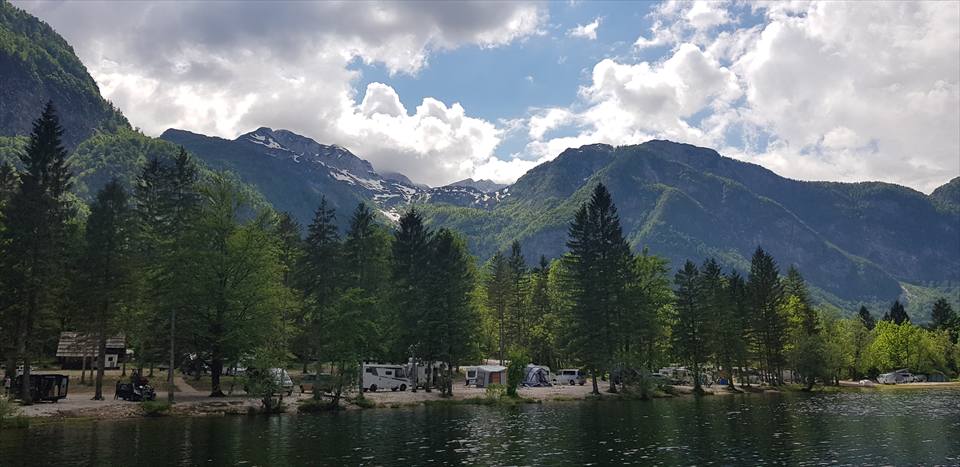
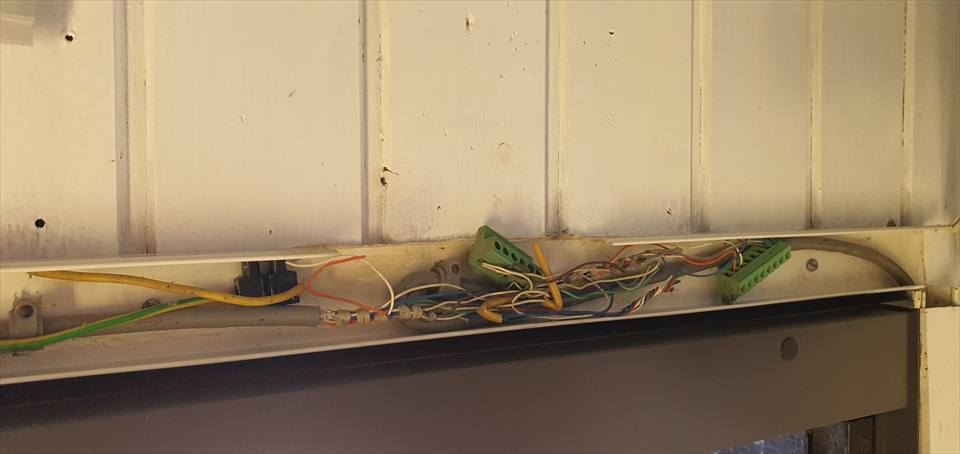
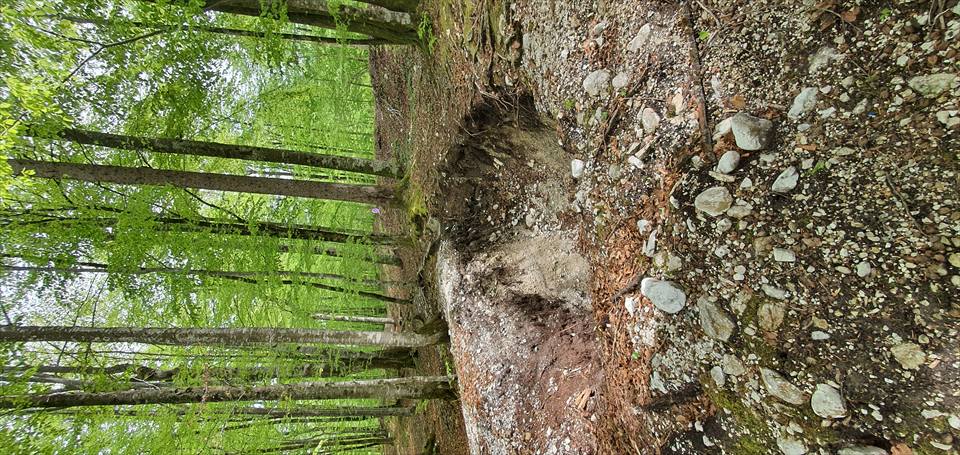

Dokumentarni arhiv, 2018–2021 · spletne različice ne vsebujejo lokacijskih metapodatkov · izvirniki ostajajo zasebni.
Anonimiziran terenski primer iz Bohinja
Večletni projekt podpira gostinsko delovanje na prostem, kjer si dostop za goste in vsakodnevni sistemi delijo zahtevno fizično okolje. Primer je javno predstavljen opisno; ime naročnika, topologija in natančni operativni podatki ostajajo zasebni.
Datirano terensko gradivo beleži okolje delovanja, podedovano stanje, zemeljska dela in neposredno izvedbo med spreminjanjem lokacije.
Trenutni sistem združuje zemeljsko in satelitsko povezljivost Starlink ter zmanjšuje odvisnost od ene dostopne tehnologije, ne da bi to spreminjal v obljubo delovanja brez prekinitev.
Promet gostov, restavracije, osebja, videonadzora in upravljanja lokacije obravnavamo kot različne odgovornosti, ne kot eno nerazčlenjeno omrežje Wi‑Fi.
Novejši zasebni posnetki kažejo stotine povezav in več terabajtov mesečnega prometa. Natančni podatki in izvirni posnetki upravljavskih vmesnikov ostajajo zasebni.
Meja objave
Identiteta naročnika, topologija, meritve, varnostno občutljive podrobnosti in poslovni rezultati ostanejo zasebni, dokler ni jasne pravice do objave.
Zgornji anonimizirani primer opisuje le to, kar podpirajo razpoložljivi dokazi. Podrobno delovno gradivo ostaja zasebno.